I was surprised to learn, through the course of my research
for this topic, that cell phone technology is now commonly available across the
globe, even in developing nations. One study from 2014 published on the UNICEF
website indicates that as many as 80-90% of adults in places such as Kenya,
Ghana and Nigeria have access to cell phones. Data from UN reports indicates
that “of the seven billion people on earth, more than six billion now have
access to a working mobile phone” (Flood, 2014).
This is incredible news! Not only does this mean that people
have the security and connection that comes from being able to contact others,
it also means that users now have access to the plethora of apps available
through their devices. As teachers, we know how literacy can be enhanced
through mobile reading apps. It is exciting to know that simple cell phones can
become pocket libraries for readers across the globe. Increased access leads to
increased literacy which, says UNESCO’s Mark West, “opens the door to life-changing
opportunities and benefits” (2014).

One such app is Library for All created by Australian vlogger Tanyella. Library for All is a
free digital library database app with titles from global and open-source
publishers. This non-profit is founded specifically for developing countries where
physical library buildings may be scarce. And the compassionate and empathic
ethos of the company comes through in their mission statements: “We work tirelessly
to publish children’s books that are high quality, age appropriate and
culturally relevant for the communities that we serve. It’s critically
important that children have access to books with stories, settings and
characters they can relate to. After all, you cannot be what you cannot see”. Refreshingly,
this initiative is designed to meet readers where they are, instead of
enforcing white, western ideologies.
However, as positive as this initiative may be connectivity
is a chronic problem, especially in rural and remote areas. I have a friend who
works in northern India who recently described their spotty internet as a ‘breeze’
– he explained that in his area connection would come and go unpredictably
throughout the day. Knotted groups of users could be spotted periodically
forming in random locations – sidewalks, middle of the street – only to break
up the instant the internet moves on. If the issue wasn’t an indication of a
serious problem, it would seem comical: one person hears a ping from their
phone and immediately everyone around them pulls out their phones to get as
many minutes of work or communication done in the moment suddenly available to
them. Then, says my friend, the internet mysteriously disappears as if on the
wind and everyone disperses without a word.
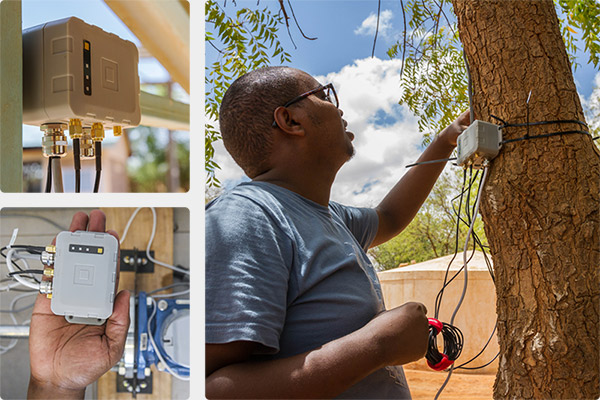 BRCK offers a helpful solution to this problem. The BRCK is
a brick-shaped, durable wifi box, designed to provide reliable and free public
wi-fi network connection in locations where electricity and internet are
limited.
BRCK offers a helpful solution to this problem. The BRCK is
a brick-shaped, durable wifi box, designed to provide reliable and free public
wi-fi network connection in locations where electricity and internet are
limited. Furthermore, BRCK has developed the Kio Kit – “a digital classroom in
a box”. The Kit consists of 40 Kio “ruggedized” tablets designed with a
user-friendly interface. Tablets are designed with durability and usability in
mind – long-life batteries, water/dust/drop resistant and tons of GB storage.
The Kio Kit is a rubberized lockable case complete with tablets, charging
station and BRCK wifi hotspot. In 2016, the Kio Kit received first place
standing at the Telecoms World Award event hosted by the International Telecommunication Union ITU in Thailand for innovation and ICT excellence.
Furthermore, BRCK has developed the Kio Kit – “a digital classroom in
a box”. The Kit consists of 40 Kio “ruggedized” tablets designed with a
user-friendly interface. Tablets are designed with durability and usability in
mind – long-life batteries, water/dust/drop resistant and tons of GB storage.
The Kio Kit is a rubberized lockable case complete with tablets, charging
station and BRCK wifi hotspot. In 2016, the Kio Kit received first place
standing at the Telecoms World Award event hosted by the International Telecommunication Union ITU in Thailand for innovation and ICT excellence.
Clearly the BRCK Kio Kit is working! And the good news is
that it is working in classrooms around the world. Could this innovative tool
be a means of providing low-cost, reliable internet connections to classrooms
in remote and under-funded Canadian locations? Possibly. Further, I think a rugged
tool such as this could be a brilliant support for the outdoor classroom
movement, providing opportunities to explore the unique connections between
outdoor environmental learning and technology.
Resources
https://libraryforall.org/

Thank you for sharing the BRCK Kio Kit. That is so cool! There are many communities even in British Columbia that don't have internet access! Access to information and education is so important for creating improvements in communities. Thank you also for sharing Library for All. What an amazing looking resource! Representation in media is so important in making kids (and people in general) feel like valued members in their societies. I am always looking for resources that show people from various backgrounds and I will keep this one in my back pocket for sure (literally...on my phone! lol)
ReplyDeleteThis was a very well done blog post on this topic. Your research was well informed and you found some excellent examples of communities, programs, initiatives and equipment that can be used to make a real difference in people's lives. I also appreciated your discussion of the challenges faced when internet service is unreliable and spotty and the ways that everyone relies on access. Good research, discussion and sharing of your learning.
ReplyDeleteI really enjoyed your post - thank you! The Library For All is such an interesting find and the way that it links readers to quality, relevant stories is so inspiring. The Kio Kit is also really interesting as they have taken the digital content and made it practical for any conditions with the 'ruggedized' design. I agree that this kind of device could have many applications all over the world for educators wanting to do more nature-based outdoor classroom learning. I think I would be too wary to allow young students to take some our school technology outside - however, devices like these would open up the possibilities.
ReplyDelete